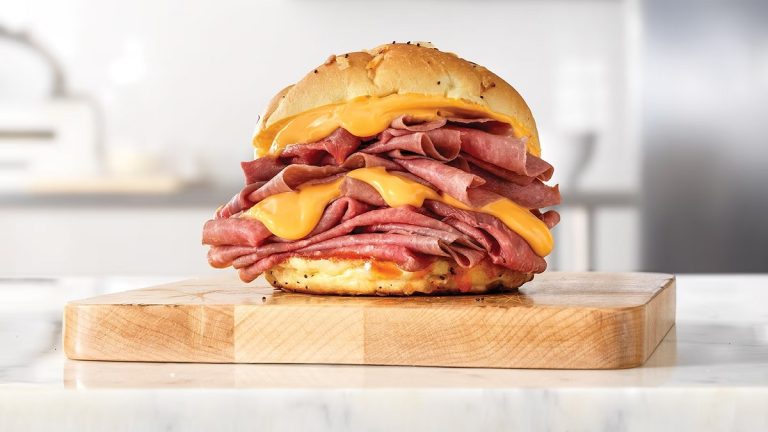
Is Arby’s Healthy? A Full Nutrition Breakdown
Fast food has a way of sneaking into our routines, especially on busy days when cooking just isn’t an option. Arby’s, known for its roast beef sandwiches and hearty menu, often comes up in conversations about convenience and comfort food. But with more people paying attention to nutrition labels and ingredients, it’s natural to pause and ask a bigger question before ordering.
For many diners, curiosity around is arby’s healthy isn’t about chasing perfection. It’s about balance. You might love the flavor, but you also want to know how those menu choices fit into your everyday eating habits. Calories, sodium, protein, and portion sizes all start to matter once you look beyond the drive-thru window.
This topic isn’t black and white. Some options may surprise you, while others clearly lean toward indulgence. Understanding what Arby’s offers, and how those items compare nutritionally, can help you make smarter decisions without giving up the foods you enjoy. That’s where a closer look really makes a difference.
Is Arby’s Healthy?
When asking is arby’s healthy, the honest answer depends on what you order and how often you eat there. Arby’s menu is built around bold flavors and generous portions, which usually means higher calories and sodium than homemade meals. That doesn’t automatically make it unhealthy, but it does mean choices matter.
Some menu items offer better balance than others. Roast beef sandwiches provide a decent amount of protein, which helps with fullness and muscle support. When paired with simpler toppings and lighter sides, these options can fit into a more mindful eating plan without feeling overly restrictive.
On the other hand, many popular items are designed for indulgence. Fried foods, creamy sauces, and loaded sandwiches can quickly push calorie and sodium levels higher. Eating these frequently may not align well with long-term health goals, especially for people watching weight, blood pressure, or cholesterol.
Portion size is another key factor. Even meals that start with quality protein can become less balanced when combined with large sides and sugary drinks. Small adjustments, like choosing water or skipping extra sauces, can make a noticeable difference.
Frequency plays a big role too. Enjoying Arby’s occasionally as part of a varied diet is very different from relying on it several times a week. Moderation helps reduce potential downsides.
Why People Ask If Arby’s Is Healthy
Many people start wondering about Arby’s healthiness as soon as they take a closer look at fast-food nutrition in general. With growing awareness around calories, sodium, and added fats, diners are no longer just ordering based on taste. They want to know what their meals are doing for their bodies, especially when fast food becomes a regular option rather than an occasional treat.
Another reason this question comes up is Arby’s reputation for hearty portions. Roast beef sandwiches, curly fries, and loaded sides feel filling and satisfying, but that fullness often raises concerns. People naturally assume that bigger, richer meals may come with higher calorie counts and less nutritional balance, which sparks curiosity and caution.
Social media and online reviews also play a role. Nutrition breakdowns, viral posts, and comparison videos regularly highlight fast-food meals side by side. When Arby’s is placed next to lighter or “health-branded” chains, viewers begin questioning where it stands and whether there are smarter choices hidden on the menu.
Diet trends further fuel this discussion. Low-carb, high-protein, and calorie-conscious eating plans make people analyze ingredients more carefully. Since Arby’s is known for meat-focused items, some wonder if it fits these trends or works against them.
Health conditions influence the question as well. Individuals managing blood pressure, weight goals, or heart health often need to limit sodium and saturated fat. That makes them more likely to research fast-food options before ordering.
Arby’s Nutrition Basics
Understanding Arby’s nutrition basics starts with recognizing how fast food is designed to deliver flavor, convenience, and satisfaction in a short amount of time. The menu centers around meat-heavy sandwiches, seasoned sides, and rich sauces, which naturally affects calorie counts and sodium levels. While Arby’s does provide nutrition information for transparency, interpreting those numbers is key. Calories, macronutrients, and portion sizes all work together to shape how a meal fits into your overall diet.
Calories and Portion Sizes
Calories are often the first thing people notice when looking at Arby’s menu. Many sandwiches are filling because they’re built with generous portions of meat, bread, and toppings. This combination can quickly raise calorie totals, especially when paired with fries or a sweetened drink.
Portion size plays a major role here. Even a single sandwich can be enough for a full meal, yet it’s common to add sides that significantly increase calorie intake. Curly fries, mozzarella sticks, and shakes add enjoyment, but they also stack extra energy fast.
Being aware of portion sizes helps put calories into perspective. Choosing one main item instead of a full combo or sharing sides can keep calorie intake more manageable without feeling deprived.
Sodium Content in Menu Items
Sodium is one of the most talked-about aspects of Arby’s nutrition. Processed meats, seasoned sauces, and bread all contribute to higher sodium levels across the menu. While sodium enhances flavor and preservation, excessive intake can be a concern for many people.
Some sandwiches contain a large portion of the recommended daily sodium limit in just one serving. Adding sides or sauces often pushes that number even higher, sometimes without diners realizing it.
This is why sodium awareness matters. People monitoring blood pressure or fluid retention tend to look closely at these values. Reading nutrition details before ordering can help reduce unintentional overconsumption.
Protein, Fats, and Overall Balance
Protein is one of Arby’s stronger nutritional points. Roast beef, turkey, and chicken provide solid protein amounts that support fullness and muscle maintenance. This can make meals feel more satisfying compared to carb-heavy options.
However, fats also come into play. Many items include saturated fats from meats, cheese, and creamy sauces. These fats add richness but can affect heart health if consumed too often.
Balance is the key factor. Pairing protein-focused items with lighter sides or skipping extra sauces can help keep fat intake more controlled while still enjoying the core flavors Arby’s is known for.
Healthiest Options on Arby’s Menu
Finding the healthiest options on Arby’s menu doesn’t mean giving up flavor or satisfaction. It starts with understanding which items offer better nutritional balance while keeping calories, fat, and sodium in check. Arby’s is known for hearty meals, but some choices naturally stand out as lighter or more nutrient-focused. Leaner proteins, simpler ingredients, and mindful sides can make a noticeable difference. With a bit of awareness, it’s possible to enjoy Arby’s while staying closer to your health goals.
Leaner Sandwich Choices
Leaner sandwiches are often the first place to look when trying to eat lighter at Arby’s. Options built around roast beef or turkey tend to provide solid protein without excessive breading or heavy frying. These meats are typically lower in fat compared to items made with fried chicken or bacon-loaded combinations.
Choosing simpler versions of these sandwiches can help even more. Skipping extra cheese or creamy sauces reduces added fat and calories. Sticking with basic toppings keeps the focus on protein and avoids unnecessary extras.
Portion control matters here as well. Smaller or classic-sized sandwiches can be filling on their own, especially when paired with water or a low-calorie drink. This approach allows you to enjoy familiar flavors while maintaining better balance.
Better Protein-Based Picks
Protein-forward menu items often feel more satisfying, which can prevent overeating later. Arby’s offers several options that emphasize meat without relying heavily on fried coatings. Roast beef and grilled-style chicken items tend to be more protein-dense than breaded alternatives.
These picks work well for people aiming to stay full longer. Protein slows digestion and helps manage hunger between meals. This makes it easier to avoid snacking on high-calorie sides afterward.
However, preparation style still matters. Items topped with rich sauces or paired with cheese can quickly shift from balanced to indulgent. Choosing protein-based options with minimal add-ons keeps the nutritional profile more favorable while preserving taste.
Smart Side Selections
Sides can quietly turn a lighter meal into a heavy one. Curly fries and fried snacks are popular, but they add significant calories and fat. Choosing sides more carefully can dramatically improve the overall meal.
Some diners opt to skip sides altogether, while others choose smaller portions. This reduces calorie intake without sacrificing the main item. Hydrating drinks like water or unsweetened beverages also help balance the meal.
Mindful side choices support moderation. Instead of thinking of sides as mandatory, treating them as optional allows more flexibility. This simple shift can make Arby’s meals feel lighter without changing what you enjoy most.
Lower-Calorie Customizations
Customization is one of the easiest ways to make Arby’s meals healthier. Small changes, such as removing sauces or choosing lighter spreads, can significantly reduce calories and fat. Sauces often contain hidden sugars and oils that add up quickly.
Bread choice can also impact calorie intake. Some diners remove the top bun or eat part of the sandwich to reduce carbs. While subtle, these adjustments can lower the overall energy load of the meal.
Customization doesn’t mean sacrificing enjoyment. It’s about shaping the meal to fit your needs. Making intentional changes gives you more control while still enjoying the core flavors that draw people to Arby’s.
Lighter Eating for Regular Visits
For those who eat at Arby’s more frequently, consistency matters. Choosing healthier options occasionally is helpful, but building a pattern of lighter choices supports long-term balance. Lean proteins and simple preparations become more important over time.
Rotating menu items also helps prevent overindulgence. Sticking to one high-calorie favorite repeatedly can add up faster than expected. Variety encourages better nutritional spread.
Regular visitors benefit from awareness. Knowing which items align better with health goals makes ordering easier and less stressful. Over time, these choices feel natural and sustainable, even within a fast-food setting.
Least Healthy Items at Arby’s
Some of the least healthy items at Arby’s stand out because they combine high calories, saturated fat, and sodium in a single meal. These menu choices are designed for indulgence and flavor, not balance. Large portion sizes, fried ingredients, and rich sauces all contribute to heavier nutritional profiles. While enjoying these foods occasionally isn’t unusual, understanding which items are more demanding on your daily intake helps you make informed decisions and avoid overdoing it without realizing it.
Loaded and Extra-Large Sandwiches
Loaded sandwiches are among the biggest nutritional concerns at Arby’s. These items often feature multiple meats, bacon, cheese, and creamy sauces layered onto large buns. Each addition boosts calories and saturated fat, sometimes pushing a single sandwich close to an entire meal’s worth of energy.
The size alone can be misleading. Because these sandwiches are handheld, they don’t always feel excessive while eating them. However, the combination of refined carbs and fatty toppings can lead to quick calorie overload.
These sandwiches are filling, but they’re also easy to pair with sides and drinks that make the meal even heavier. That’s why they often top the list of least healthy options.
Fried Menu Items
Fried foods are another category that tends to rank low nutritionally. Breaded chicken, fried sides, and crispy snacks absorb oils during cooking, which increases both calorie and fat content. These items are appealing because of their texture, but they come at a nutritional cost.
Frying also reduces the overall balance of the meal. Even when paired with protein, the added fats can outweigh the benefits. Regularly choosing fried items may make it harder to maintain heart-friendly eating habits.
Because fried foods are popular add-ons, they often sneak into orders without much thought. Being aware of how frequently they appear in meals can help limit their impact over time.
High-Sodium Choices
Sodium-heavy items are a major concern for many diners. Processed meats, seasoned bread, and sauces all contribute to elevated sodium levels across Arby’s menu. Some items contain a significant portion of the daily recommended sodium intake in just one serving.
High sodium doesn’t always affect taste perception, making it easy to consume more than intended. When combined with sides and drinks, sodium intake can quickly exceed daily limits.
This becomes especially important for people managing blood pressure or fluid retention. Regularly choosing high-sodium options may contribute to longer-term health concerns if not balanced carefully.
Sugary Drinks and Desserts
Drinks and desserts often go unnoticed when evaluating meal health. Sugary beverages add calories without providing fullness or nutrients. When paired with already heavy meals, they significantly increase total sugar intake.
Desserts and shakes are similar in effect. They’re dense in sugar and fat, making them easy to overconsume after a filling meal. Because they feel like a small addition, their impact is often underestimated.
Limiting these items or enjoying them occasionally can help prevent unnecessary calorie spikes. Awareness alone can change how often they’re included in fast-food orders.
Combo Meals and Oversized Portions
Combo meals encourage larger portions by bundling sandwiches, sides, and drinks together. While convenient, they often lead to eating more than necessary. The added value can make it harder to downsize.
Oversized portions also normalize higher calorie intake. When large meals become routine, it’s easy to lose track of moderation. Over time, this pattern may affect weight and energy levels.
Recognizing how combo meals influence choices helps put portion size back in your control. Choosing individual items instead can significantly reduce the overall nutritional load without changing where you eat.
Is Arby’s Healthy for Specific Diets?
When people ask whether Arby’s fits specific diets, the answer usually depends on how flexible that diet is. Arby’s menu wasn’t created with strict eating plans in mind, but certain choices can still work with some dietary preferences when selected carefully.
For low-carb or high-protein diets, Arby’s can be somewhat accommodating. Many sandwiches are meat-focused, which supports protein intake. Removing part of the bun or skipping sugary sauces can help reduce carbs while keeping the meal filling and satisfying.
Those following calorie-controlled diets may find it more challenging. Portion sizes are generous, and combo meals add extra calories quickly. Choosing a single sandwich, avoiding fried sides, and sticking with water or unsweetened drinks can help keep calories more manageable.
Sodium-sensitive diets face bigger limitations. Processed meats and sauces tend to be high in sodium, making it difficult to stay within daily limits. Reading nutrition information and avoiding heavily seasoned items becomes especially important here.
Vegetarian and plant-focused diets have limited options. Arby’s menu is centered on meat, so plant-based choices are minimal and often rely on sides rather than complete meals. This can make long-term dietary consistency difficult.
Overall, Arby’s can fit into some diets occasionally, but it requires awareness and flexibility. It works best for those willing to customize and moderate rather than follow strict dietary rules.
People Also Asked
Is Arby’s Healthier Than McDonald’s?
When you compare Arby’s to McDonald’s, neither is clearly “healthy,” but the difference comes down to menu focus. You’ll notice Arby’s leans more toward protein-heavy sandwiches, while McDonald’s offers more fried and carb-forward items.
If you choose leaner sandwiches and skip heavy sides, you may find Arby’s more filling with fewer snacks later. However, sodium and portion sizes at Arby’s can be higher. Your choice depends on what you value more, protein satisfaction or lighter portions.
What Is The Healthiest Sandwich At Arby’s?
The healthiest sandwich at Arby’s is usually one with simple ingredients and lean protein. You’ll want to look for roast beef or turkey-based options without extra cheese or creamy sauces.
These sandwiches provide protein that helps you feel full while keeping fat more controlled. When you avoid add-ons and oversized versions, you reduce calories and sodium significantly. Pairing the sandwich with water instead of a sugary drink further improves the overall balance of your meal.
Does Arby’s Have Low-Calorie Meals?
Arby’s does offer lower-calorie choices, but they aren’t always labeled clearly. You’ll often need to customize your order to stay within a calorie goal. Smaller sandwiches and skipping fried sides make a noticeable difference.
If you order a single item instead of a combo, you naturally reduce calorie intake. Removing sauces or cheese also helps. While Arby’s isn’t known for low-calorie meals, mindful ordering allows you to keep calories reasonable without feeling restricted.
Can You Eat Arby’s On A Diet?
You can eat Arby’s on a diet, but consistency and moderation matter. If you treat it as an occasional meal rather than a daily habit, it’s easier to stay on track.
Choosing protein-focused items and avoiding fried sides helps align your meal with common diet goals. Watching portion sizes and drinks is just as important as the main item. When you plan ahead, Arby’s can fit into a diet without completely derailing your progress.
Is Arby’s Roast Beef Actually Healthy?
Arby’s roast beef has both benefits and drawbacks. On the positive side, it provides protein that supports fullness and muscle maintenance. That can help you feel satisfied longer after eating.
However, the roast beef is processed and contains a fair amount of sodium. This means it may not be ideal for frequent consumption. If you enjoy it occasionally and balance it with lighter choices elsewhere, it can still have a place in your routine.
Is Arby’s A Good Option For Protein-Focused Diets?
Arby’s can work well for protein-focused diets because much of the menu centers on meat-based sandwiches. You’ll find it easier to hit protein targets compared to carb-heavy fast-food chains.
That said, preparation style matters. Sauces, cheese, and large buns can add unnecessary calories and fat. If you keep the focus on the protein itself and customize wisely, Arby’s can support a protein-forward eating approach without going overboard.
Conclusion
Determining whether Arby’s fits into a healthy eating routine requires looking beyond taste and convenience. Many of the menu items are indulgent, with higher calories, sodium, and saturated fats. However, Arby’s also offers options that are more balanced, especially when you focus on lean proteins and make mindful choices about sides and sauces.
When you ask Is Arby’s Healthy, the answer depends largely on moderation and customization. Opting for roast beef or turkey sandwiches without extra cheese or creamy sauces can create a meal that is satisfying and more aligned with your nutritional goals. Pairing these with water or smaller sides helps maintain balance without giving up the flavors you enjoy.
Ultimately, Arby’s can be part of a flexible diet if you choose wisely and practice portion control. Understanding the nutritional profile of your meal allows you to enjoy fast food responsibly while keeping your health goals on track.